10–14 December 20264 Nights / 5 DaysMaximum 6 participants₹49,500 per person
- Destination
- Singalila National Park
- Group size
- Maximum 6
- Field transport
- Dedicated 4×4
- Starts & ends
- NJP / Siliguri
The expedition
Not a sightseeing trip with a camera in the car.
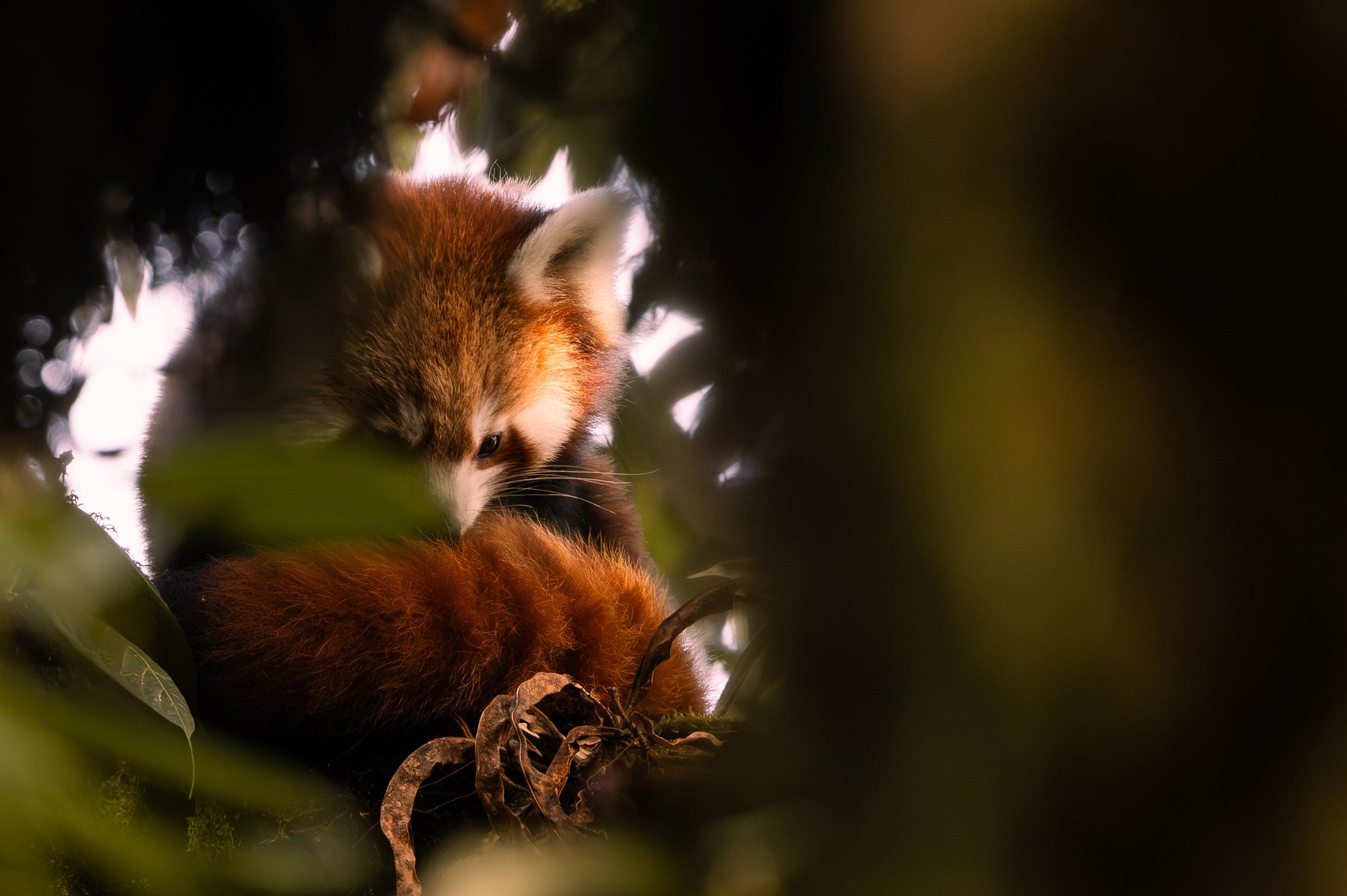
Most people go to Singalila hoping to see a red panda. This is built so you can photograph one properly.
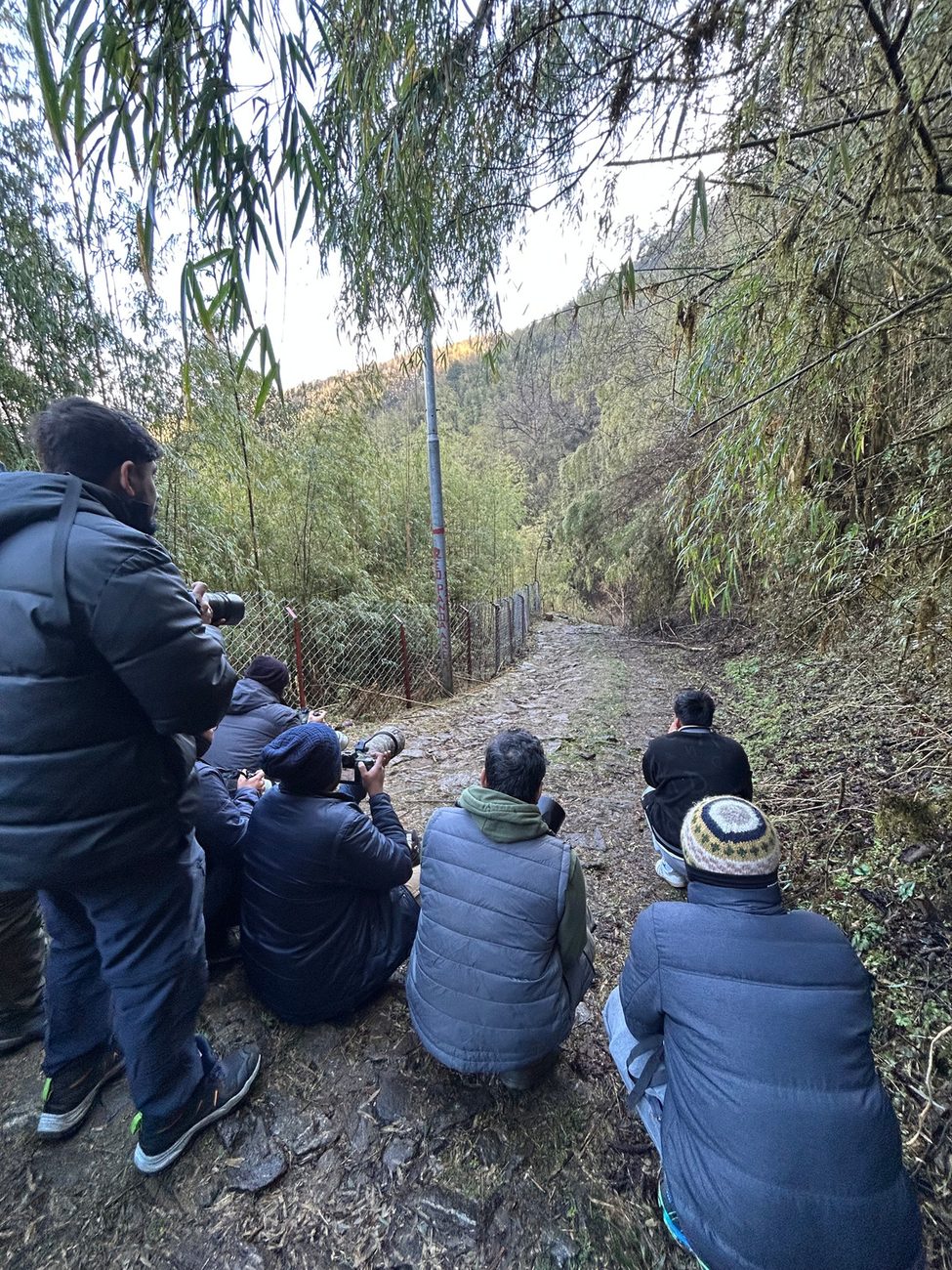
Over five days we work the forests and ridgelines through dedicated wildlife drives, guided forest walks and planned field sessions. When a panda is located, we stay with it. There is time to read the behaviour, work the light and build a composition instead of grabbing at one.
The schedule stays flexible around wildlife movement, weather and photographic opportunity rather than a fixed sightseeing route. And the forest gives you far more than pandas while you wait: Himalayan birds, mammals, moss and lichen, rhododendron, mist, and mountain light most people drive straight past.
Why December
Winter changes what the forest gives you.
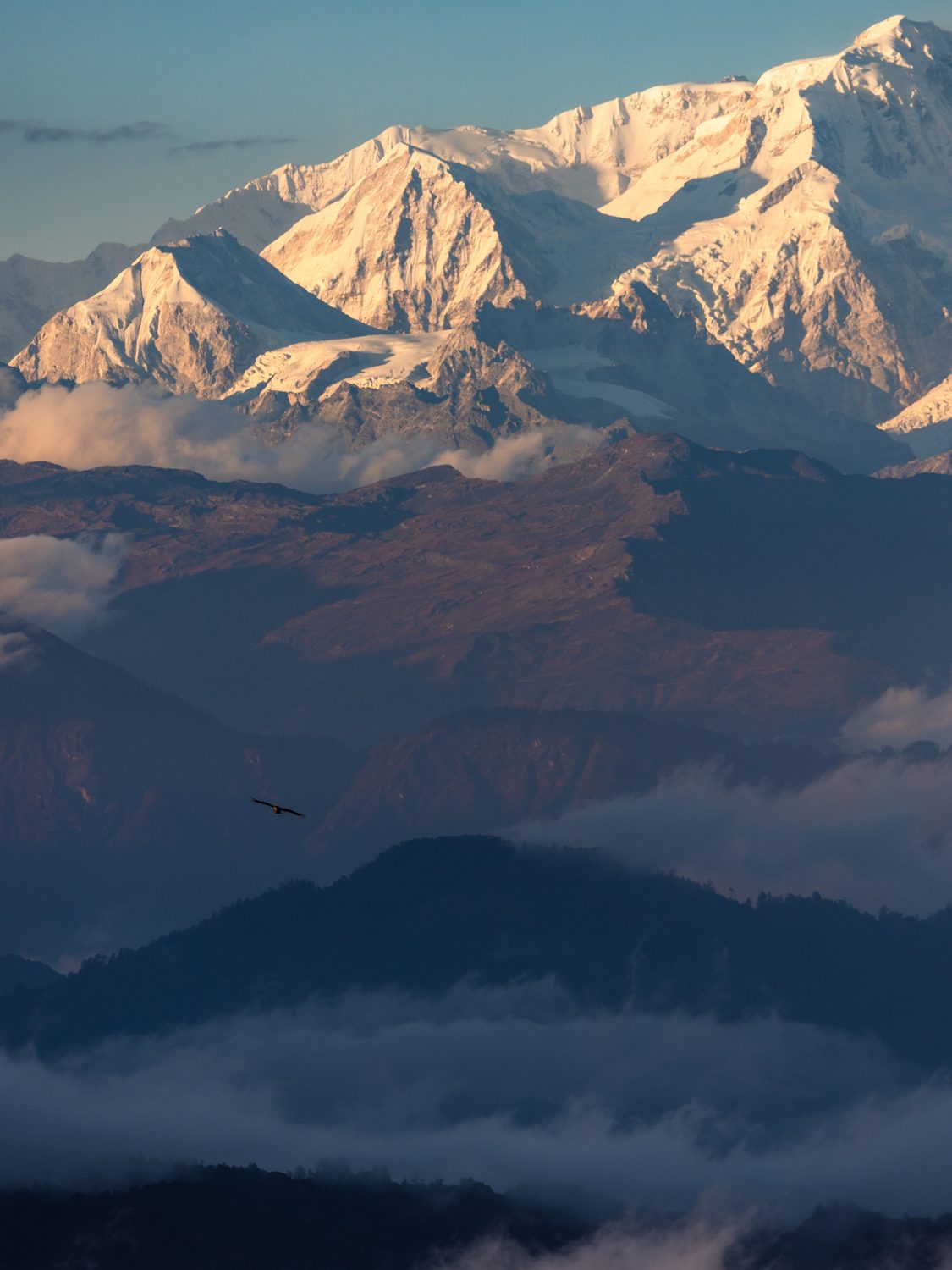
- Crisper light, clearer viewsPost-monsoon skies give way to cold mornings and beautiful low-angle light. On good days the Himalayan panorama opens right up.
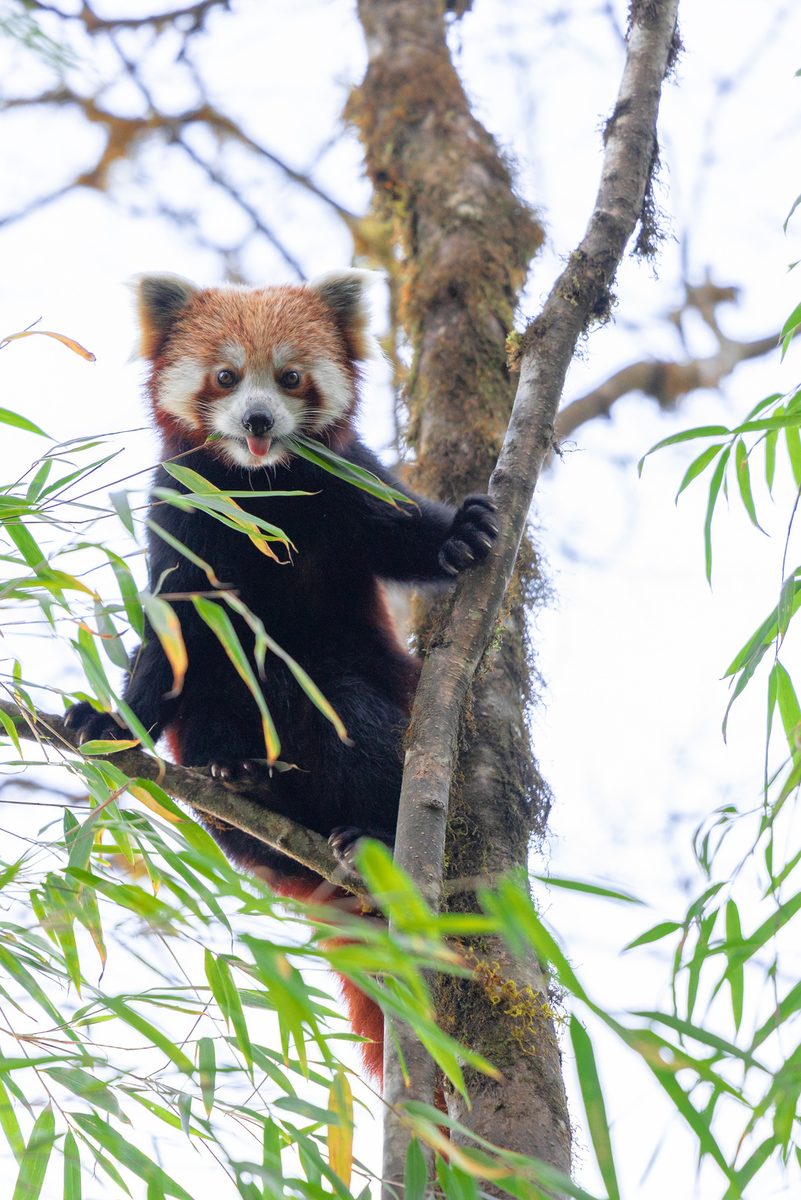
- Young pandasCubs born over summer are several months old by December. There is a possibility of photographing younger individuals, sometimes alongside their mothers.
- Higher morning activityWinter mornings can be a productive window for red panda movement, and forest visibility often improves.
- Himalayan birdlifePheasants, laughingthrushes, woodpeckers, finches and other forest birds through the day.
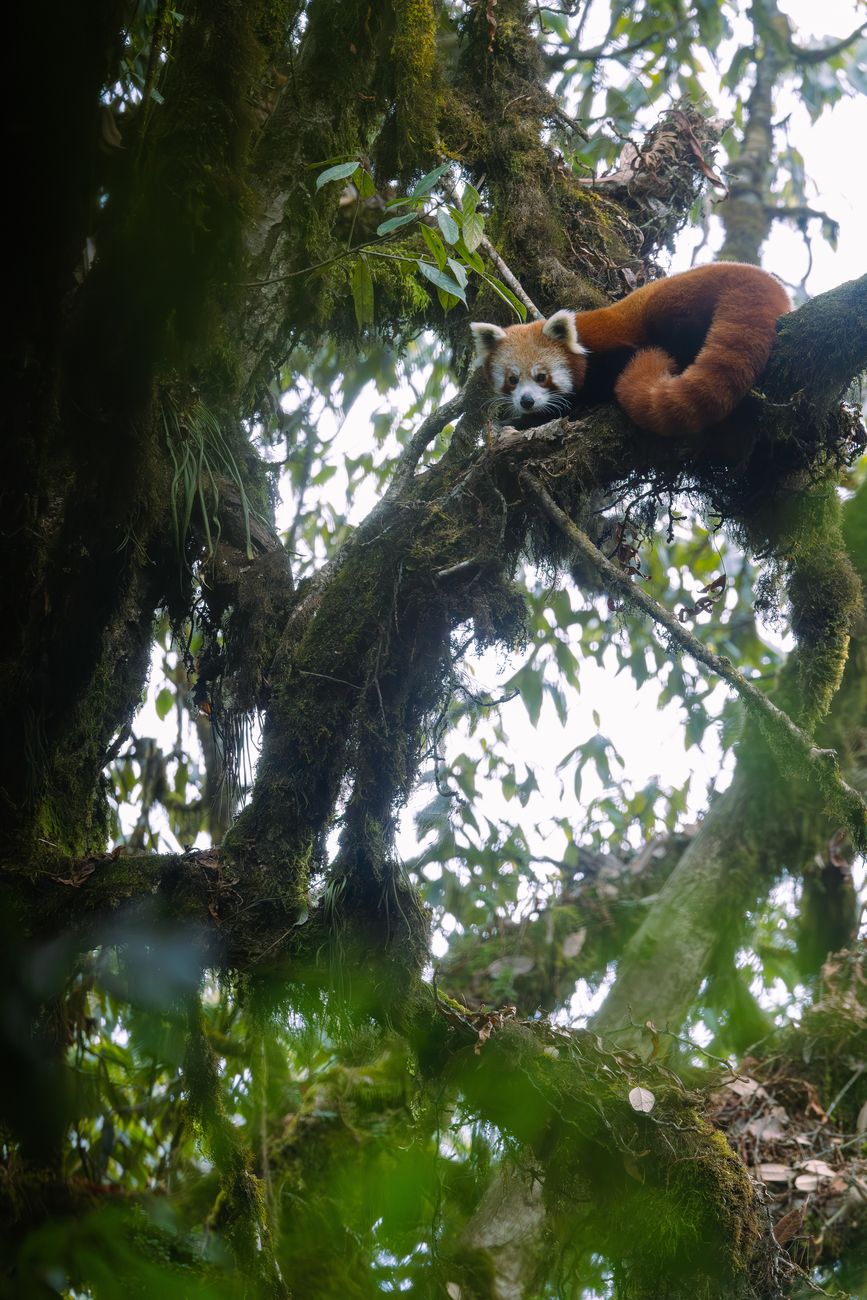
- Forest detailMoss-covered branches, lichen, intricate textures and shifting mist make for strong intimate nature work.
What you’ll work on
Your subject list for five days in the Eastern Himalayas.
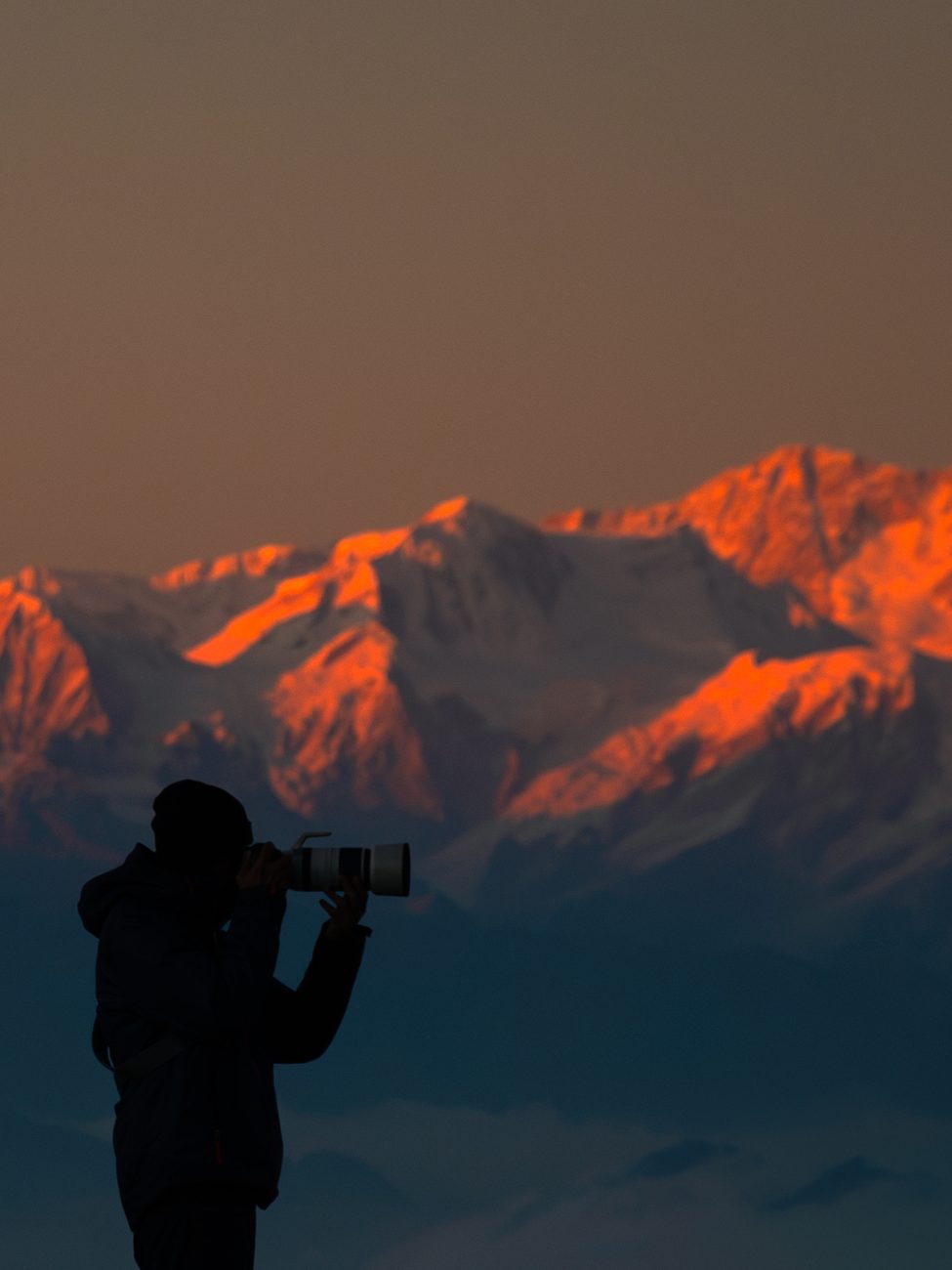
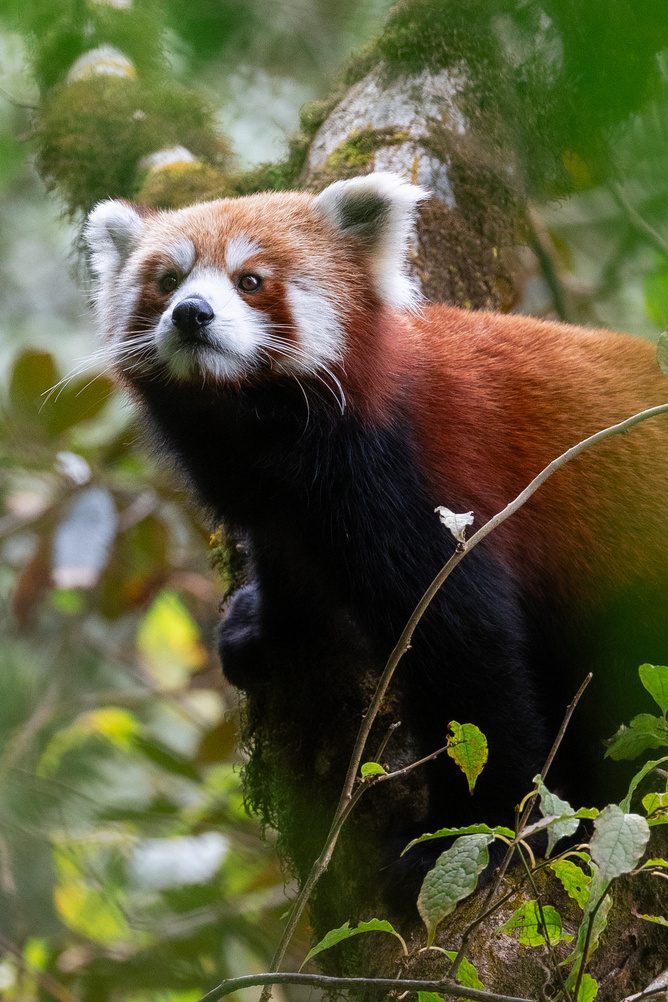
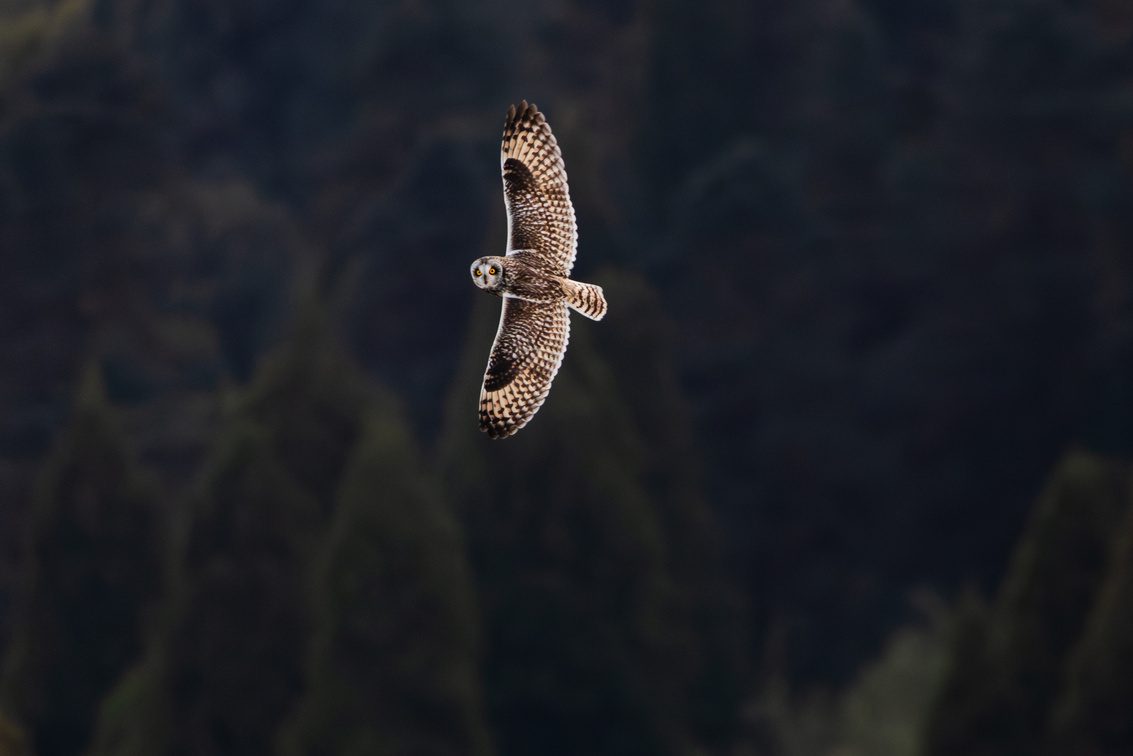
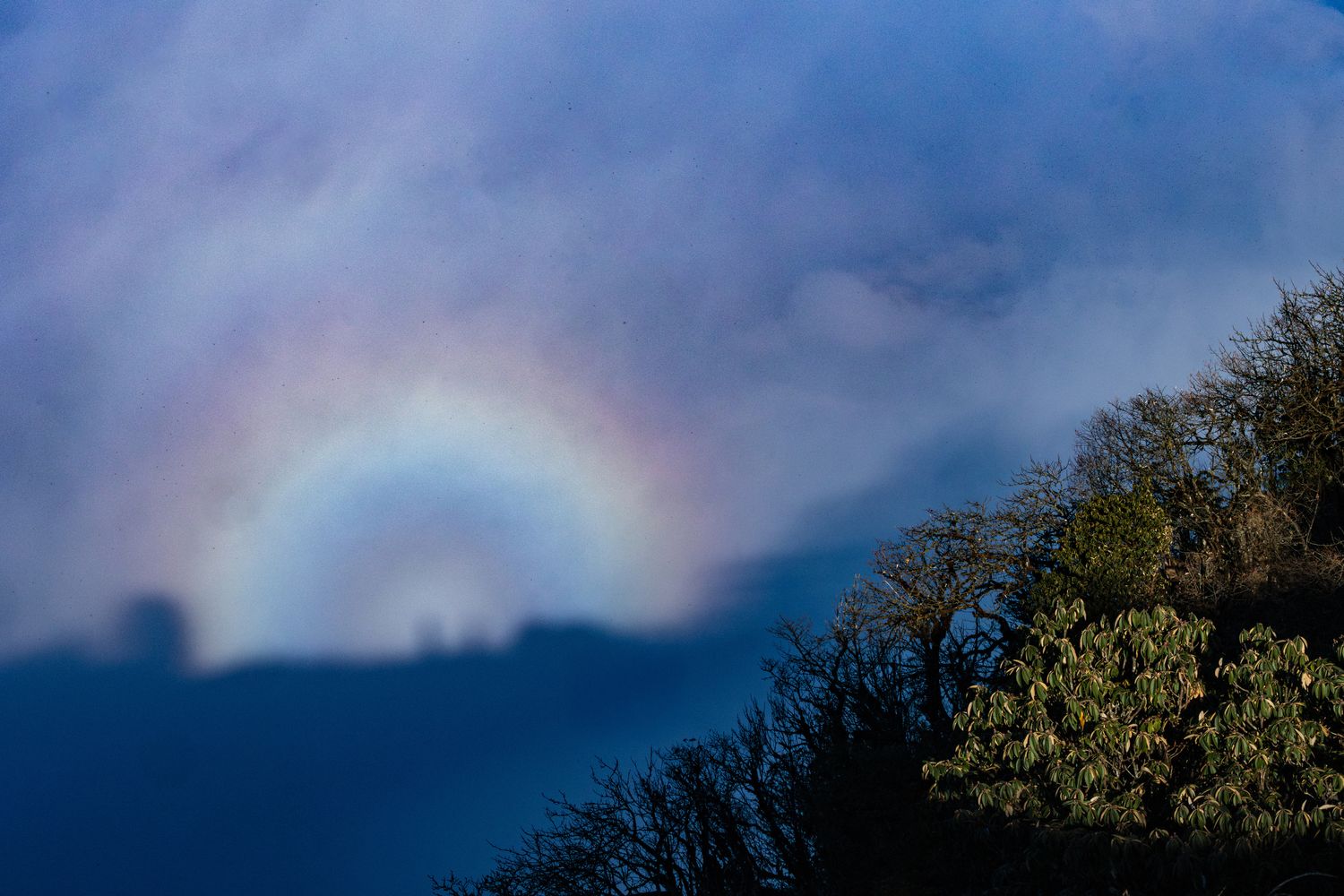
Our field team
The trackers are the reason this works.
A wildlife photography expedition depends on more than being in the right place. Our local trackers and naturalists know Singalila’s forests, terrain and wildlife movement intimately. They work continuously through the field sessions, reading movement, feeding areas and other signs that help us locate animals.
That knowledge does two things. It improves our odds of finding red pandas, and it helps us position for a meaningful photograph rather than a record shot, while keeping every encounter responsible and unhurried.
The WiseHoot team is with you throughout for the photography itself: composition, working with limited forest light, foreground and depth, and reading behaviour so you are ready before the moment arrives.

Your mentor
Swaroop Singha Roy
Canon India Explorer · Founder, The WiseHoot
Swaroop is a nature and wildlife photographer and visual storyteller based in Kolkata. His journey into photography began in 2008 with a visit to Corbett National Park, an experience that sparked a lifelong passion for documenting the natural world.
Since then he has travelled extensively across India, photographing its wildlife, landscapes and lesser-known natural wonders. The aim throughout has been to tell stories that go beyond the frame, and to build a deeper appreciation for nature and for wildlife conservation.
As a Canon India Explorer he has collaborated with leading brands, run photography workshops and led immersive wildlife photography tours across some of India’s most remarkable habitats. His photographs have appeared in national and international publications, and his work has received several recognitions, including a national award from the Ministry of Tourism, Government of India.
Through The WiseHoot he brings photography, exploration, education and conservation together, creating opportunities for others to experience and connect with the natural world.
- Canon India Explorer
- Photographing India since 2008
- National Award, Ministry of Tourism
- Founder, The WiseHoot
Day by day
Five days, shaped around wildlife rather than a schedule.
Siliguri / NJP → Manebhanjan → Singalila
Arrival and the journey up
We begin in the morning from Siliguri/NJP and travel towards Manebhanjan, the traditional gateway to Singalila. After permits and formalities, we continue into the mountains in dedicated 4×4 vehicles, watching the landscape change from foothills to high-altitude forest.
We reach the accommodation by afternoon or evening and settle in. Depending on arrival time and weather, there may be a short introductory session around the property and surrounding forest.
Full-day field session
First red panda sessions
An early start into the forest with the naturalists and trackers. The day is given primarily to finding and photographing red pandas in their natural habitat, with the team working continuously through the forest for movement and feeding signs.
Once an animal is located, we spend time observing and photographing without rushing the encounter. The surrounding forest keeps the session productive even when pandas aren’t immediately visible: birds, mammals, forest detail and landscape.
Deeper into the forest
Tracking and photographing
Another full day in the field, out early, focusing on areas where red panda activity is known or suspected. We explore different sections depending on tracking information and conditions.
Alongside pandas, there is time for bird photography, environmental portraits, macro and intimate forest compositions. This is also where the mentoring does most of its work: approaching wildlife in dense forest, limited light, foreground elements and difficult shooting conditions.
Field session · optional Sandakphu excursion
Red pandas and Himalayan landscapes
Another early wildlife session. If weather, road conditions and time permit, we may make an early-morning excursion towards Sandakphu. At over 3,600 metres it offers spectacular Himalayan views and, in favourable conditions, beautiful early light across the range.
The Sandakphu excursion is weather and time dependent, and only undertaken if it does not compromise the primary wildlife photography. We return and continue field activity depending on conditions.
Manebhanjan → Siliguri / NJP
Final morning and departure
One last morning in the mountains. After breakfast we check out and travel back down towards Manebhanjan, continuing by road to Siliguri/NJP, where the expedition concludes.
Where you’ll stay
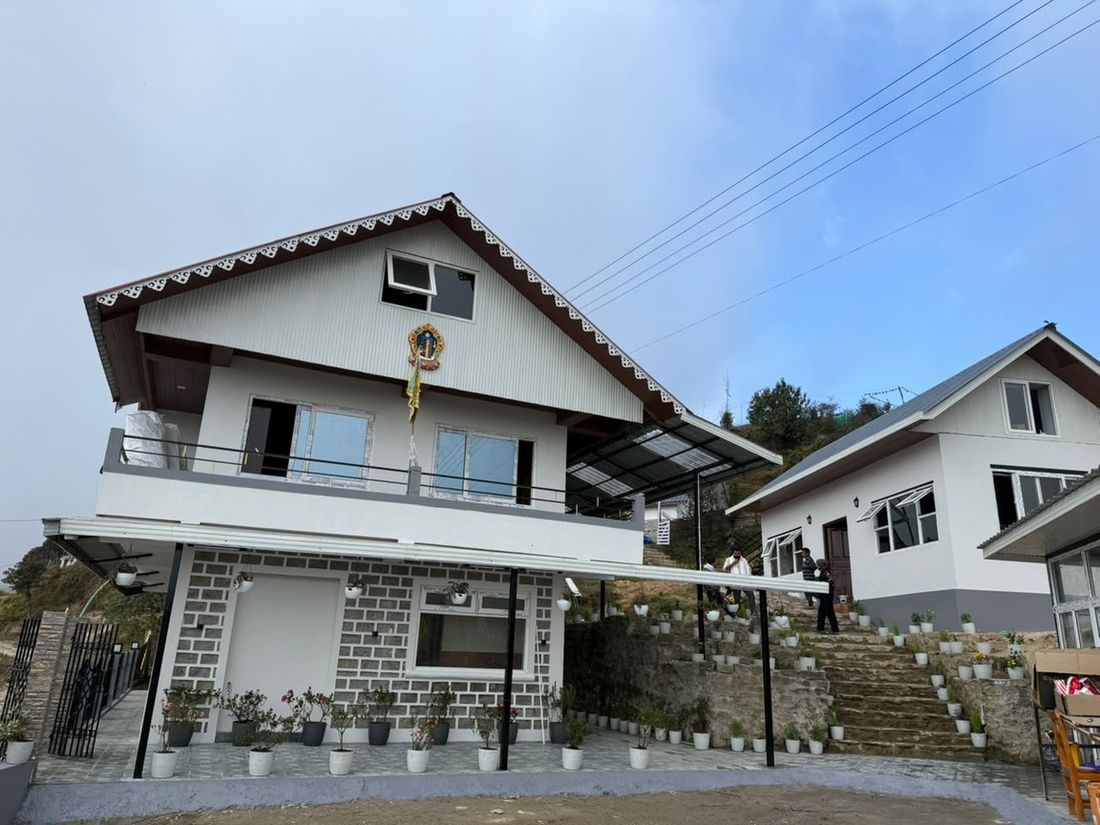
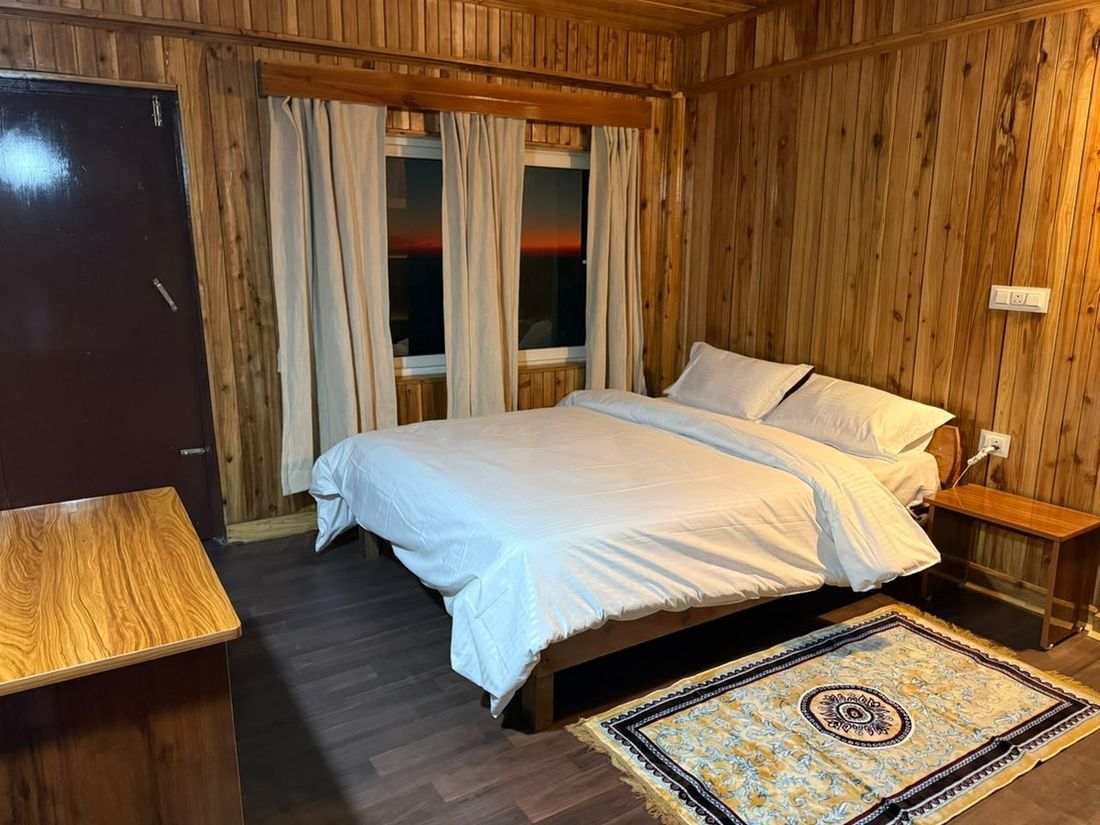
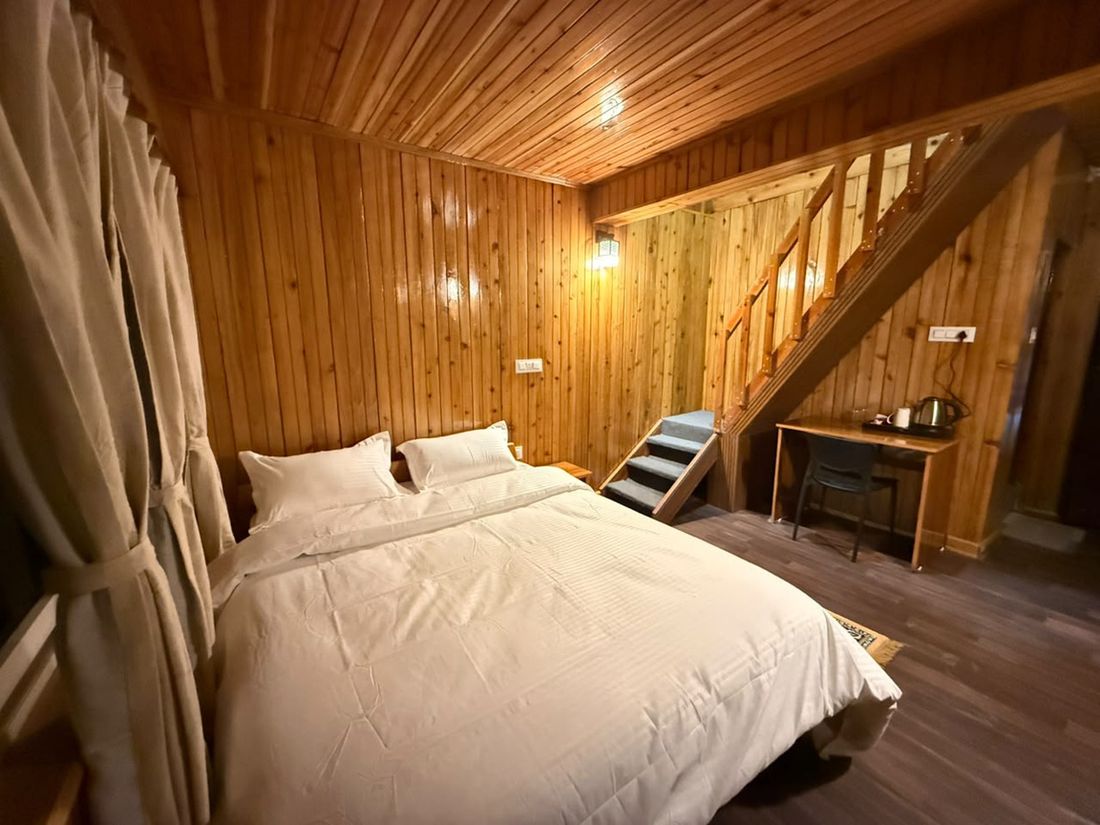
A premium homestay, warm and close to the forest.
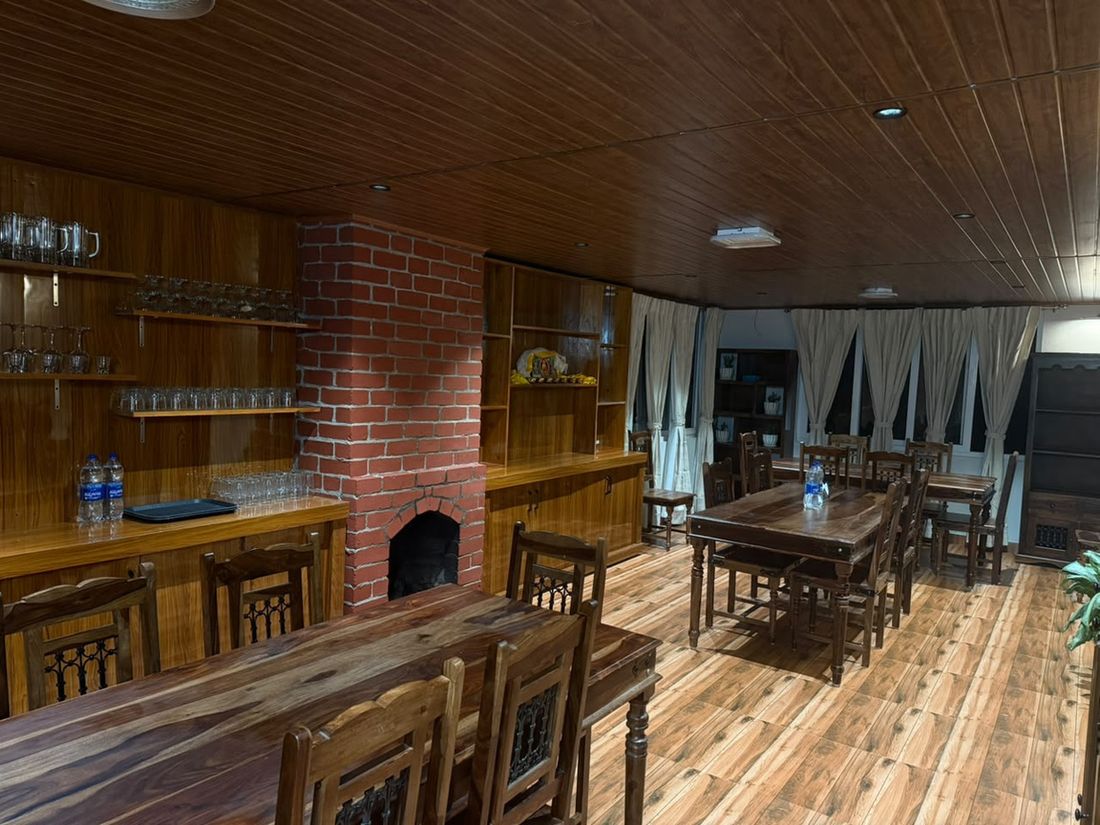
Four nights on double-sharing basis at Tumling or Jaubari, with all meals from lunch on Day 1 to breakfast on Day 5. Simple, comfortable and heated, with a common dining area to go through the day’s images in the evening.
Tour cost
Everything on the ground is covered.
Includes
- Four nights’ accommodation on double-sharing basis
- All meals from lunch on Day 1 to breakfast on Day 5
- Dedicated 4×4 vehicles for the expedition
- Experienced local trackers and naturalists
- Guided wildlife photography field sessions
- Guided forest walks wherever applicable
- Singalila National Park and local entry permits, forest fees
- Local guide, porter and ground-support charges
- Wildlife tracking and field coordination
- WiseHoot tour leader, photography mentorship and field assistance
- All planned ground transportation during the itinerary
Excludes
- Travel to and from Siliguri / NJP
- Personal expenses
- Camera equipment and personal photography gear
- Camera fees, if applicable
- Snacks, beverages and alcoholic drinks
- Tips and gratuities
- Personal travel and medical insurance
- Any expense arising from unforeseen circumstances or weather disruption
- Anything not specifically mentioned under Includes
Before you book
The questions people actually ask.
Are red panda sightings guaranteed?
I’m not an advanced photographer. Is this for me?
What gear should I bring?
How physically demanding is it?
How cold will it be?
How do I get to NJP / Siliguri?
I’m travelling solo. How does room sharing work?
How do I book a seat?
Join the expedition
Six seats. Five days. One of the hardest animals in India to photograph.
If photographing a red panda in its own forest has been on your list, come and spend five days doing it properly.
Wildlife encounters are never guaranteed. We follow responsible wildlife photography practices and prioritise the well-being of the animals and their habitat. Itinerary and field plans may change in response to weather, road conditions and wildlife movement.
